
Empower Your Wardrobe: Embracing Sustainable Fashion Through Creative Reuse
Fast fashion has made new clothes cheap and easy to buy, but it comes with a heavy environmental and social cost. The fashion industry is one of the largest polluters globally, contributing to waste, water pollution, and carbon emissions. Many garments end up in landfills after only a few wears, while workers in some supply chains face poor conditions. Changing how we think about clothing can reduce this impact. One powerful way is through sustainable fashion practices focused on creative reuse.

SCENE Academy is dedicated to promoting ethical fashion and sustainable creativity. Their upcoming workshops will teach skills like clothing repair, sewing, textile reuse, and upcycling. These activities help people reimagine garments, turning old or damaged pieces into new, unique items. This approach reduces reliance on fast fashion and encourages a culture of repair and reinvention.
Why Creative Reuse Matters
Clothing repair and textile reuse are more than just practical skills. They shift the mindset from seeing fashion as disposable to viewing it as a form of creative expression with purpose. Instead of throwing away a torn shirt or stained jeans, you can fix or transform them. This reduces waste and extends the life of garments.

Creative reuse also helps reduce demand for new clothing, which often requires large amounts of water, energy, and chemicals to produce. By making the most of what you already own, you lower your environmental footprint. Plus, customizing clothes through upcycling lets you express your personal style in ways mass-produced fashion cannot match.
Learning Clothing Repair and Sewing Skills
Many people hesitate to repair clothes because they lack the skills or tools. SCENE Academy’s workshops will cover basic sewing techniques like patching holes, replacing buttons, and fixing seams. These simple repairs can save garments from being discarded.
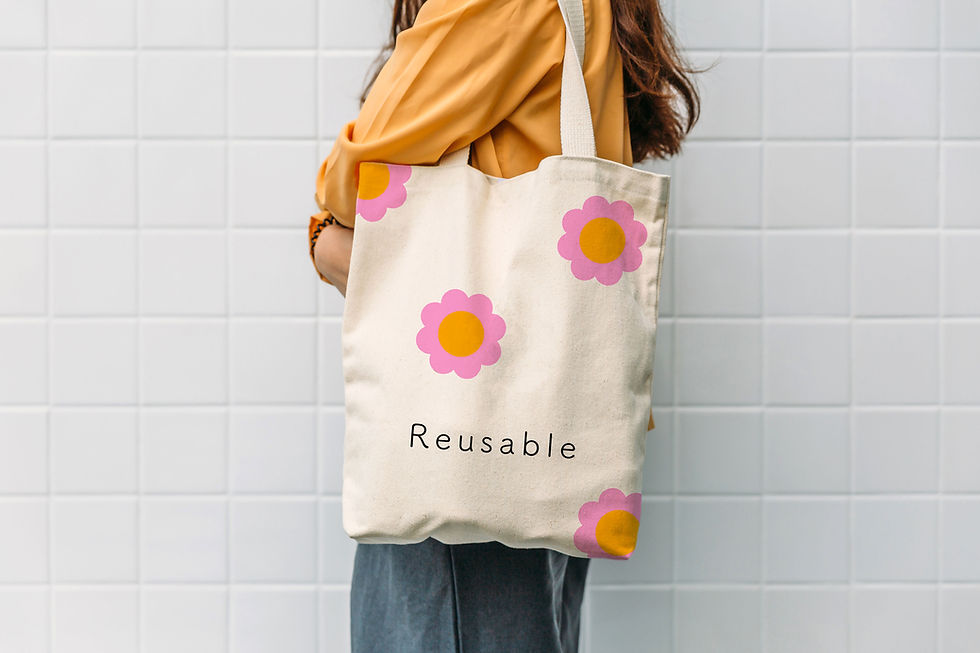
Learning to sew also opens the door to more creative projects. You can alter the fit of clothes, add decorative elements, or combine fabrics to make something new. For example, turning an old shirt into a tote bag or adding embroidery to a plain jacket gives it new life and personality.

Textile Reuse and Upcycling Ideas
Textile reuse involves finding new uses for fabric or garments that might otherwise be thrown away. Upcycling takes this further by transforming these materials into higher-value or more artistic items. Here are some practical examples:
Patchwork clothing: Combine scraps of fabric or old clothes into a colorful patchwork jacket or skirt.
Accessory making: Use fabric remnants to create headbands, scarves, or fabric jewelry.
Home decor: Turn old t-shirts into cushion covers, quilts, or wall hangings.
Garment transformation: Convert a dress into a top and skirt, or reshape oversized pants into shorts.
These projects not only reduce waste but also encourage creativity and individuality.
Reducing Reliance on Fast Fashion
Fast fashion brands produce large volumes of cheap clothing designed to be worn briefly and discarded. This model drives overconsumption and environmental harm. By embracing repair and reuse, you can break free from this cycle.
When you learn to care for your clothes and see them as valuable, you buy less and choose better quality items. This shift supports a more sustainable wardrobe and reduces the pressure on the fashion industry to produce unsustainable volumes.

How to Get Started
If you want to embrace sustainable fashion through creative reuse, here are some steps to begin:
Assess your wardrobe: Identify clothes that need repair or could be transformed.
Learn basic sewing: Start with simple repairs like sewing on buttons or fixing hems.
Experiment with upcycling: Try small projects like making accessories or patching clothes.
Join workshops: Look for local or online classes that teach repair and reuse skills.
Support ethical brands: When buying new, choose companies committed to sustainability.
SCENE Academy’s upcoming workshops offer a great opportunity to build these skills in a supportive environment.
The Bigger Impact
By repairing and reusing clothes, you contribute to a larger movement toward sustainable fashion. This movement challenges the throwaway culture and promotes respect for the resources and people behind clothing production.

Creative reuse also fosters a sense of accomplishment and connection to your wardrobe.
Instead of mindless consumption, fashion becomes a way to express values and creativity. This mindset can inspire others and create a ripple effect in your community.


Comments